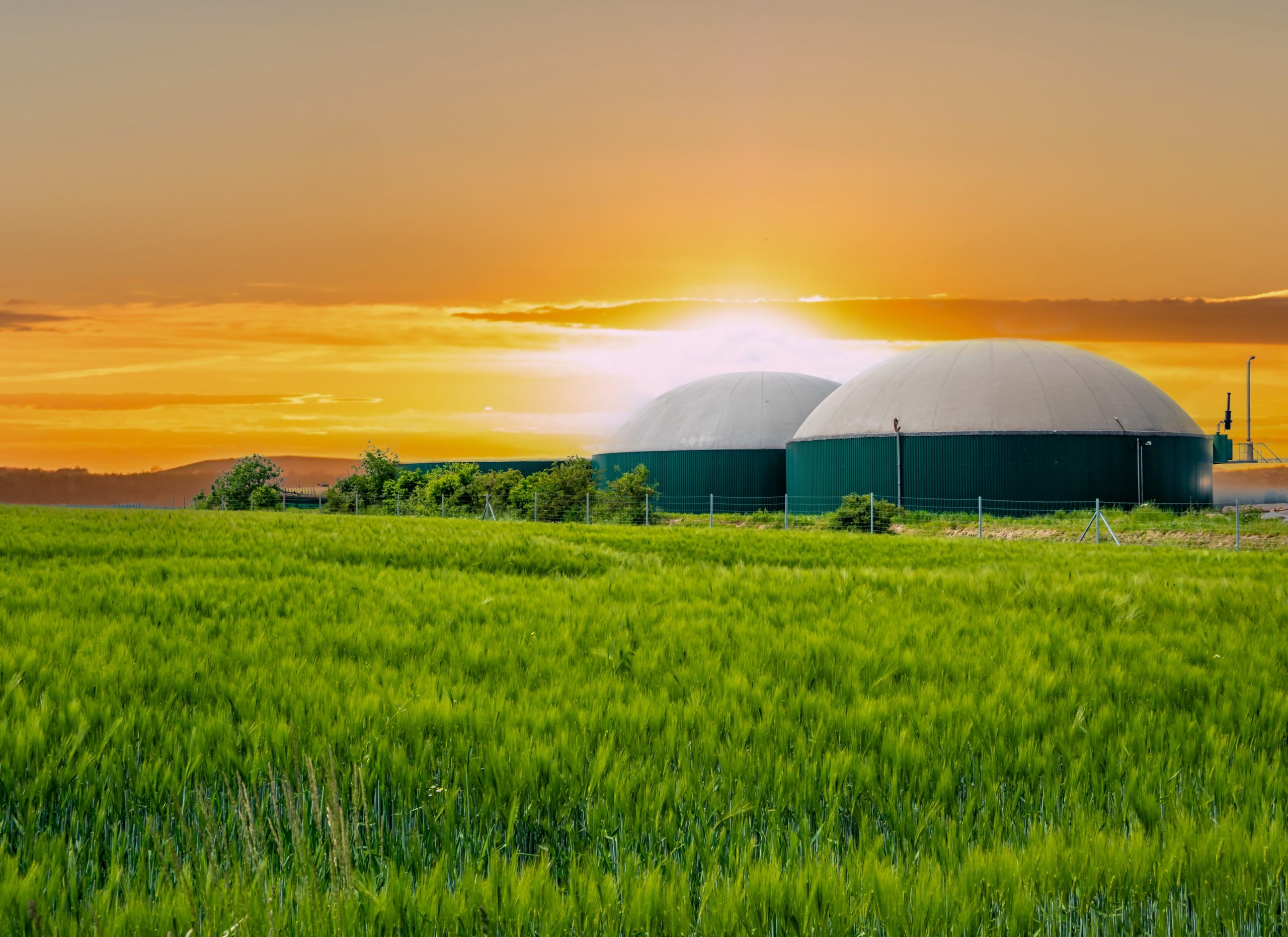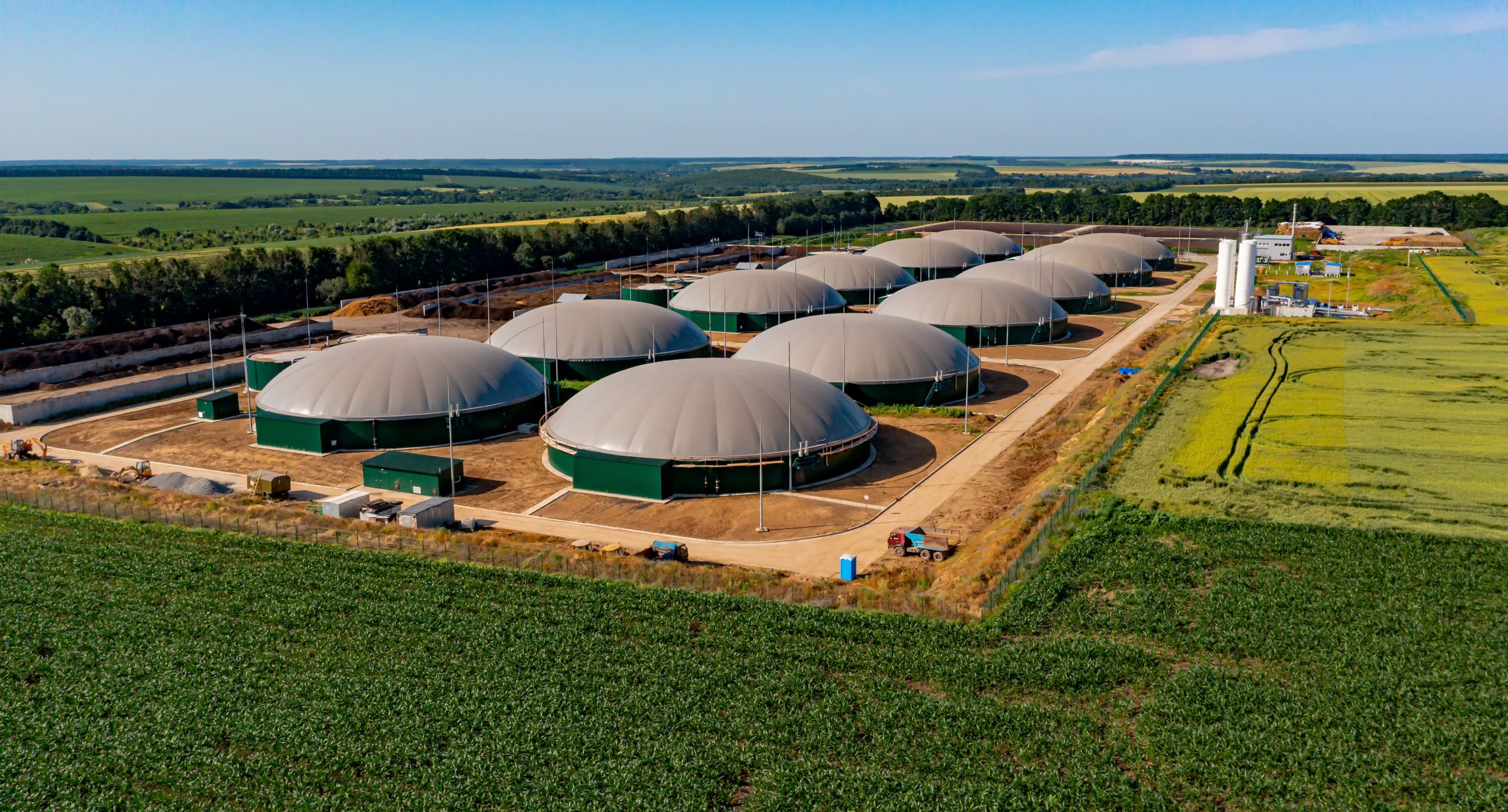
In today’s world, the quest for sustainable energy solutions is more critical than ever before. As our global population continues to rise, the demand for clean and renewable energy sources also increases. One such solution is anaerobic digestion, a biological process that has the potential to transform organic waste into valuable biogas, ultimately contributing to a cleaner, greener future. This article will delve into the fundamentals of anaerobic digestion, its benefits, and how it can be applied in various industries to unlock the untapped potential of waste-to-energy solutions.
What is Anaerobic Digestion?
Anaerobic digestion is a natural process in which microorganisms break down organic matter, such as agricultural waste, food waste, or wastewater sludge, in an oxygen-free environment. This decomposition process generates biogas, a mixture primarily composed of methane and carbon dioxide. Biogas can be used for heating, electricity generation, or as a vehicle fuel, making it a versatile and valuable renewable energy source.Benefits of Anaerobic Digestion:
- Waste Management: Anaerobic digestion offers an environmentally-friendly alternative to traditional waste disposal methods, such as landfills or incineration. By transforming organic waste into energy, anaerobic digestion reduces waste volume and the associated environmental impacts.
- Greenhouse Gas Emission Reduction: Methane is a potent greenhouse gas, and its release into the atmosphere contributes to global warming. Anaerobic digestion captures methane and utilizes it as an energy source, helping to mitigate climate change.
- Renewable Energy Generation: Biogas produced through anaerobic digestion is a renewable energy source that can replace fossil fuels in various applications, reducing our reliance on non-renewable resources.
- Nutrient Recovery: The byproduct of anaerobic digestion, known as digestate, is rich in nutrients and can be used as a natural fertilizer, promoting sustainable agriculture practices.
- Economic Benefits: Anaerobic digestion can create new revenue streams for businesses and communities, from selling excess energy to participating in carbon offset programs.
Implementing Anaerobic Digestion:
Anaerobic digestion can be implemented across various industries and scales, from small-scale farm operations to large industrial facilities. Key considerations for successful implementation include:- Feedstock Selection: The type and quality of organic waste used as feedstock can significantly impact the efficiency and performance of an anaerobic digestion system. Suitable feedstock includes agricultural waste, food waste, and wastewater sludge.
- System Design: Anaerobic digestion systems can be tailored to meet specific needs and conditions, such as available space, waste volumes, and desired biogas output. A well-designed system ensures optimal performance and longevity.
- Monitoring and Maintenance: Regular monitoring and maintenance of the anaerobic digestion system are crucial for ensuring optimal performance, preventing operational issues, and maximizing the system’s lifespan.
- Regulatory Compliance: Compliance with local regulations and permitting requirements is critical for the successful implementation of anaerobic digestion projects.