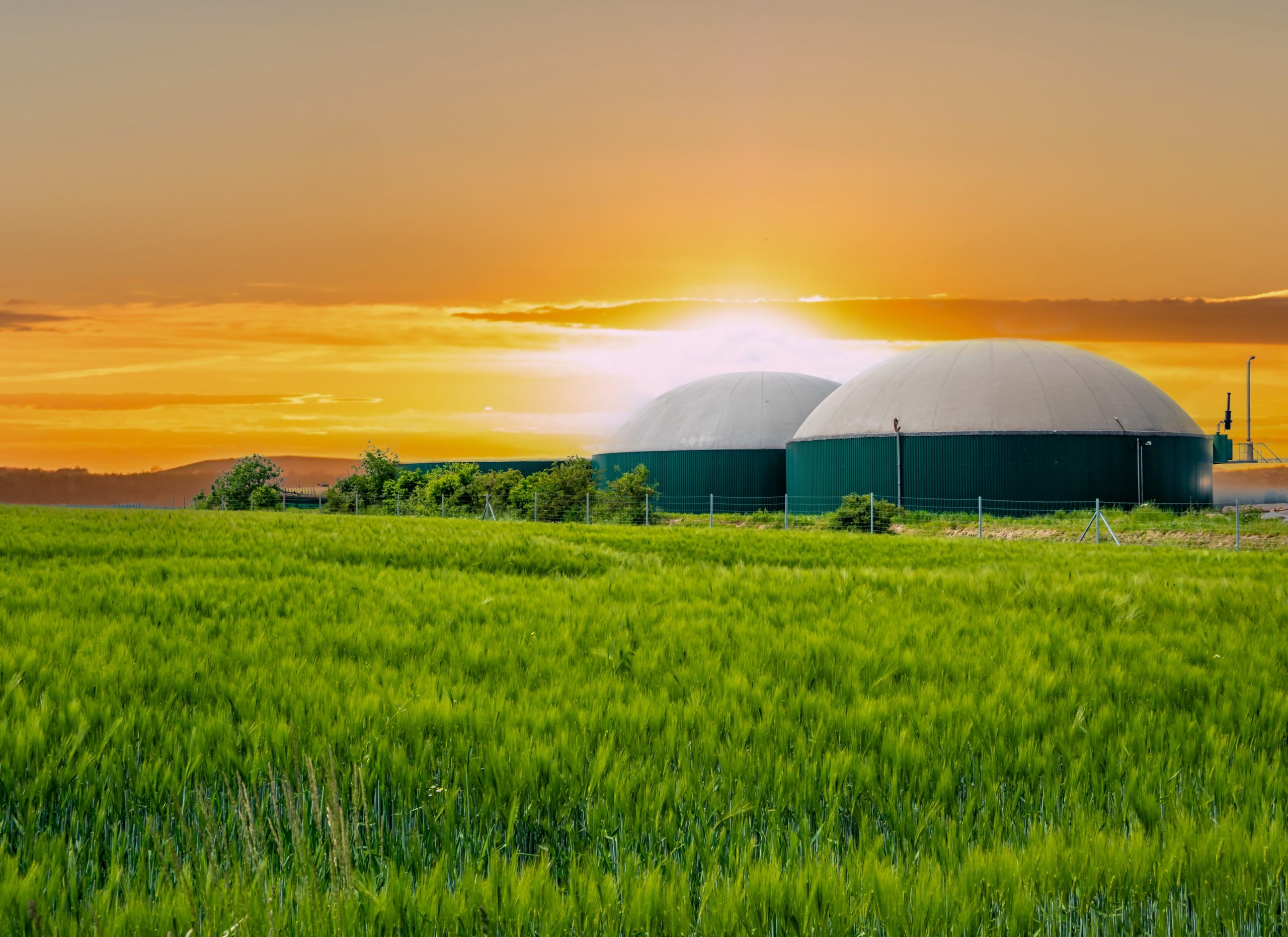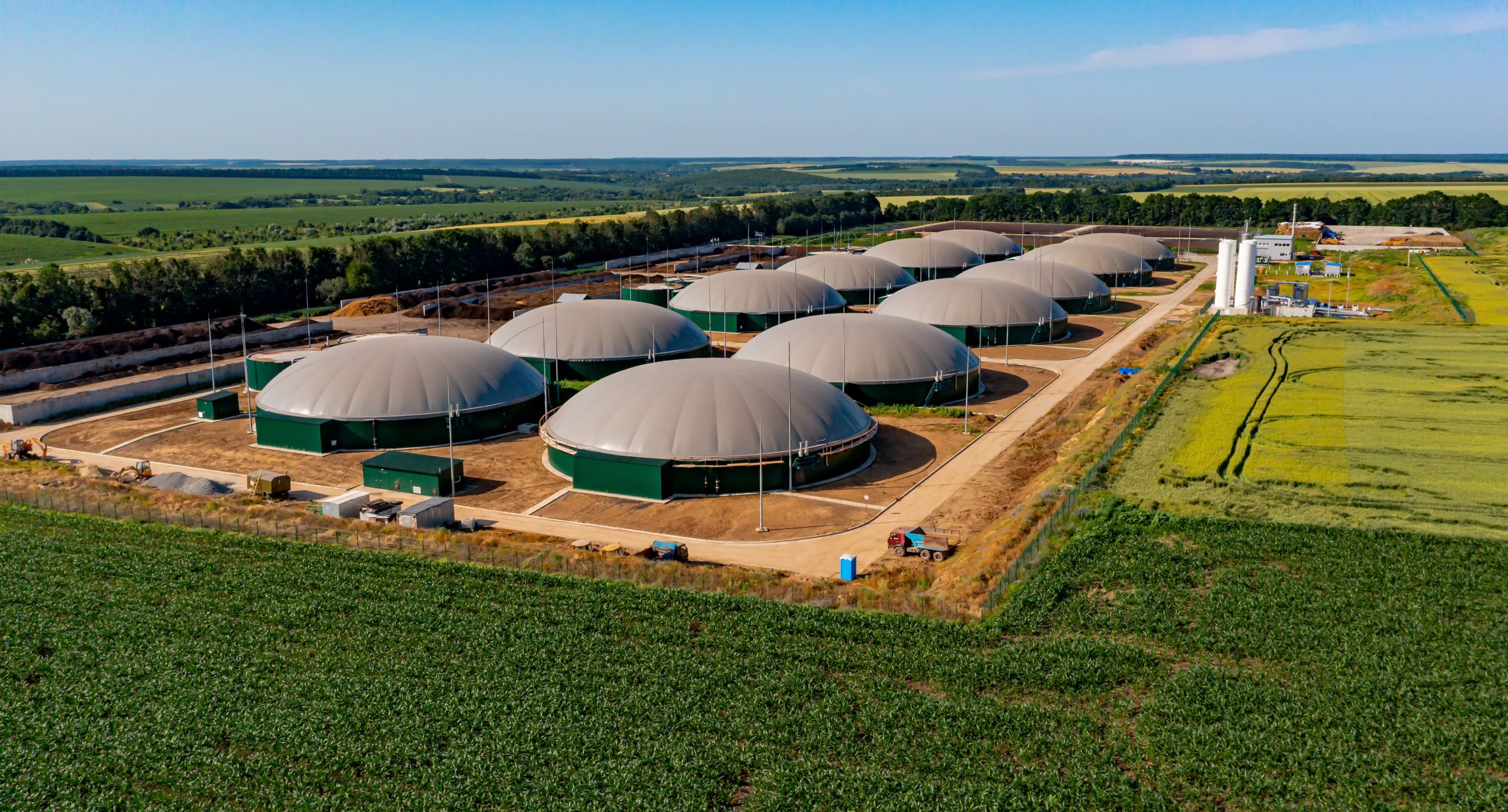

Landfills are an essential part of modern waste management systems, but they also contribute to the release of harmful greenhouse gases. Landfill gas, consisting primarily of methane and carbon dioxide, is a significant source of emissions, posing environmental and climate change challenges. However, innovative technologies like landfill gas-to-energy (LFGTE) projects have the potential to transform this waste problem into a sustainable resource. This article delves into the benefits and applications of LFGTE systems, showcasing how they contribute to a more sustainable future.
The Landfill Gas Problem:
Methane, the primary component of landfill gas, is a potent greenhouse gas with a global warming potential 28 to 36 times greater than carbon dioxide over a 100-year period. As organic waste decomposes in landfills, it generates methane, which can escape into the atmosphere, exacerbating climate change. Additionally, the accumulation of landfill gas can pose safety risks and contribute to air pollution.
Landfill Gas-to-Energy Solution:
LFGTE projects involve capturing the methane emitted from landfills and converting it into a valuable energy resource. By installing gas collection systems, the methane can be extracted, treated, and used to generate electricity or heat, or even be refined into pipeline-quality natural gas. This not only reduces greenhouse gas emissions but also promotes the development of renewable energy resources.
Benefits of LFGTE Projects:
- Greenhouse Gas Reduction: Capturing and utilizing landfill gas prevents methane emissions from entering the atmosphere, helping to mitigate climate change.
- Renewable Energy Generation: LFGTE projects contribute to the diversification of energy sources, promoting the use of renewable, domestic resources.
- Economic Opportunities: LFGTE projects can create jobs, generate revenue for landfill owners, and provide energy cost savings for local communities and industries.
- Improved Air Quality: Reducing the release of landfill gas improves air quality, protecting public health and the environment.
Implementing LFGTE Projects:
Several factors must be considered when implementing LFGTE projects, such as landfill size, gas generation potential, regulatory requirements, and financial viability. Collaboration between landfill owners, local governments, and technology providers is crucial for successful LFGTE project development.
Conclusion:
Landfill gas-to-energy projects present a unique opportunity to turn a waste problem into a sustainable resource. By capturing and utilizing landfill gas, LFGTE systems contribute to greenhouse gas reduction, renewable energy generation, and economic growth. Embracing these innovative solutions can lead us toward a cleaner, more sustainable future.